By Tommy
October 16, 2026
Almost every homeowner encounters a frustrating spot in their house where comfortable temperatures seem impossible to maintain during hot summers or freezing winters. Walking into a notoriously hot or chilly room disrupts daily routines, forces continuous thermostat adjustments, and causes unnecessary stress for everyone living in the home. According to enlighten.energy, the typical family spends over $2000 a year on bills, with more than 50% related to heating and cooling systems. Understanding why temperature imbalances occur allows families to address underlying airflow issues effectively, minimize overall energy usage, optimize household comfort, and reduce the need for frequent AC repairs.
Identifying Air Duct Leakage With Precision
Leaking ductwork frequently prevents conditioned air from reaching distant rooms, causing noticeable temperature disparities throughout various parts of your living space. When warm or cool air escapes through unsealed joints, remote bedrooms receive inadequate airflow, making climate control nearly impossible during extreme seasonal weather. Ignoring these compromised pathways forces your HVAC unit to run continuously, accelerating wear on critical components and increasing overall energy consumption significantly over time. Sealing damaged ducts restores balanced airflow across every story, improves indoor comfort, prevents unwanted dust accumulation, and ultimately saves homeowners money by avoiding unnecessary AC repairs during scorching summer months.
Analyzing Insulation Deficiencies in Outer Walls
Inadequate insulation allows outside heat to penetrate rooms during summer while letting precious warmth escape during freezing winter months. Exterior walls lacking proper barrier materials cannot maintain stable indoor environments, forcing individual spaces to feel dramatically uncomfortable compared to central areas. Upgrading wall insulation creates an effective thermal defense, preventing undesirable temperature fluctuations and stabilizing humidity levels throughout the home. Furthermore, maintaining proper insulation shields internal mechanical systems from excessive strain, which reduces overall operating costs, extends equipment lifespan, keeps indoor air quality clean, and lowers the probability of requiring emergency AC repairs.
Inspecting Window Seals and Glass Efficiency
Single-pane glass and deteriorating window seals invite unwanted drafts that drastically alter temperature levels inside specific rooms. Sunlight streaming through windows without shades creates severe solar heat gain, while leaky frames allow winter chills to seep directly into cozy living quarters. Installing energy-efficient double-pane windows, applying solar films, or using thermal curtains stops unwanted heat transfer before it disrupts household comfort. Preventing excessive heat gain near large windows keeps entire living zones balanced, minimizes air conditioner workload during intense heatwaves, lowers monthly electric bills, and decreases unexpected spending on costly AC repairs.
Balancing Air Vents and Register Dampers
Closed or obstructed air registers prevent proper circulation, trapping warm or cool air in unintended areas of the house. Furniture placed directly over floor vents restricts incoming airflow, causing adjacent rooms to feel uncomfortably warm or bitterly cold throughout the year. Adjusting damper positions inside supply ducts helps redistribute conditioned air evenly, ensuring balanced comfort across every individual living space. Maintaining clear pathways around all registers optimizes total airflow, reduces static pressure within duct networks, protects blower motors from overheating, and eliminates severe system stresses that frequently lead to expensive AC repairs.
Evaluating Thermostat Placement and Sensor Accuracy
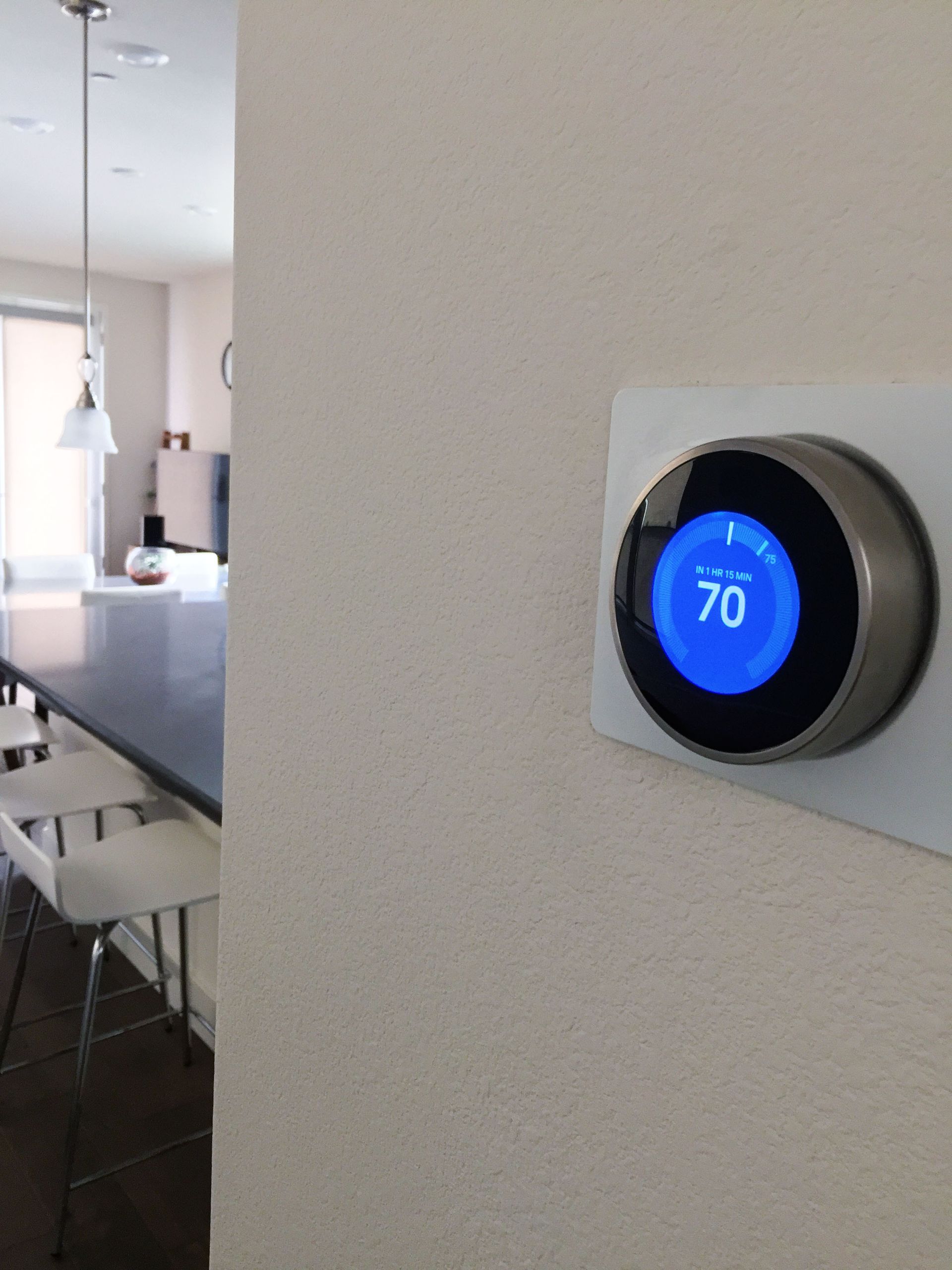
A misplaced thermostat reads temperatures from a single localized spot, often misinterpreting climate conditions across the rest of the house. Hallways near kitchens or areas exposed to direct sunlight trick sensors into shutting down equipment prematurely or running systems excessively. Installing modern smart thermostats with wireless remote sensors allows the HVAC system to monitor temperatures across multiple rooms accurately. Balanced temperature readings prevent continuous cycling, enhance overall home comfort, decrease monthly energy consumption, and protect delicate electronic control boards, effectively reducing the frequency of sudden AC repairs throughout peak cooling seasons.
Addressing Sun Exposure and Roof Heat Loads
Upper-level rooms directly beneath poorly insulated attics absorb massive amounts of radiant solar heat during hot afternoon hours. Roof surfaces transfer intense warmth downward through ceiling joists, making top-floor bedrooms feel stifling even when lower levels remain perfectly comfortable. Enhancing attic ventilation with ridge vents or attic fans allows trapped thermal energy to escape before penetrating living areas below. Mitigating radiant heat gain stabilizes second-story temperatures, reduces continuous air conditioner runtime, lowers utility expenses during summer peaks, and protects central cooling components from suffering breakdown-inducing stress that triggers immediate AC repairs.
Investigating HVAC System Sizing and Capacity
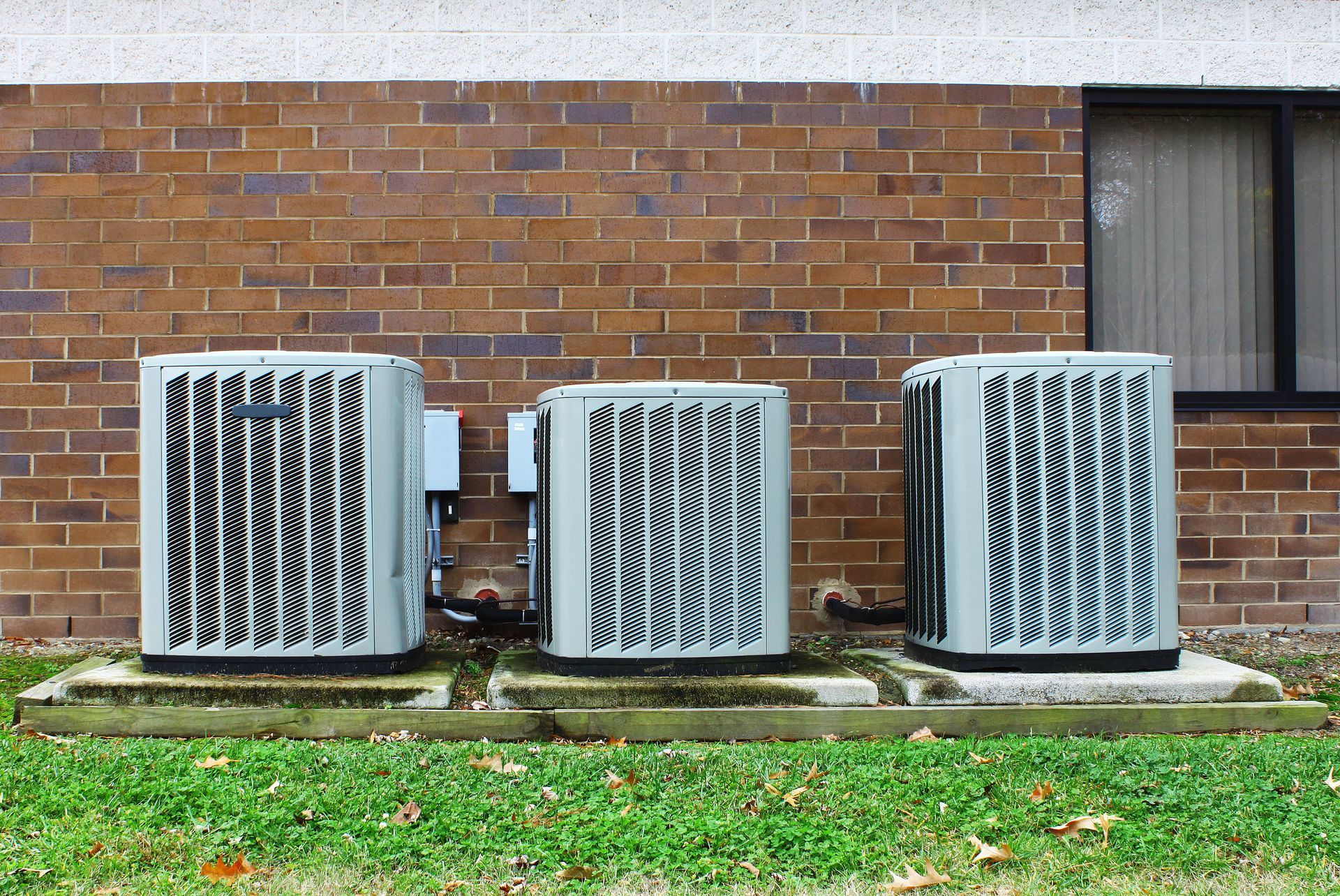
An incorrectly sized heating and cooling system struggles to distribute conditioned air evenly throughout larger or multi-story floor plans. Units that are too small run constantly without reaching desired temperatures, while oversized systems cycle on and off rapidly without properly dehumidifying distant spaces. Professional load calculations ensure your HVAC unit matches the exact square footage and architectural layout of your home. Installing capacity-matched equipment properly maintains steady airflow across all zones, optimizes energy efficiency year-round, prevents severe compressor failures, and significantly reduces the ongoing necessity for routine AC repairs.
Managing Air Returns and Airflow Circulation
Insufficient return air vents prevent stagnant air from leaving distant rooms, creating high-pressure barriers that block fresh conditioned air from entering. Without adequate return pathways, air becomes trapped, resulting in stuffy, uncomfortable spaces regardless of thermostat settings. Installing additional return vents or undercutting interior doors restores proper circulation, allowing air to flow freely back to the central unit. Unrestricted air movement balances room pressures, optimizes filtration performance across the whole house, keeps fans operating smoothly, and reduces mechanical strain that typically leads to high-tier AC repairs.
Upgrading Insulation Around Crawlspaces and Basements
Uninsulated floors above chilly basements or damp crawlspaces allow cold air to penetrate ground-level rooms during winter seasons. Drafty foundations chill floorboards from below, making living rooms feel uncomfortably cold despite active heating units. Sealing crawlspace vents, adding vapor barriers, and insulating joists protect lower floors from ambient temperature drops and ground moisture infiltration. Securing the lower perimeter of your home stabilizes ground-floor climate control, improves heating efficiency during winter, balances seasonal comfort, and protects duct networks running through unconditioned basements from thermal losses.
Optimizing Zoning Systems for Custom Comfort
Installing motorized dampers and multi-zone climate controls allows homeowners to regulate temperatures in individual rooms independently based on usage. Specialized zone control systems direct conditioned air precisely where needed, eliminating hot and cold spots across complex architectural floor plans. Setting personalized temperatures for separate areas prevents wasting energy on unoccupied rooms while maximizing comfort in high-use spaces. Advanced zoning technology reduces total equipment operation hours, enhances overall system longevity, lowers annual energy expenditures, and delivers seamless temperature control without placing unnecessary strain on mechanical components.
Reviewing Home Additions and Converted Spaces
Enclosed porches, converted garages, or newly built home additions often lack proper integration into existing heating and cooling duct networks. Branching off original ductwork without upgrading primary equipment capacity starves both new and old rooms of adequate conditioned air. Installing ductless mini-split systems for added square footage provides targeted heating and cooling without disrupting main HVAC performance. Customizing climate solutions for home additions preserves consistent temperatures everywhere, prevents system overloads, protects household energy efficiency, and ensures every corner of your property remains perfectly comfortable throughout every season.
Addressing persistent temperature differences requires a systematic approach combining proper insulation, balanced ventilation, regular maintenance, and modern climate technology. Identifying root causes allows homeowners to resolve uncomfortable hot or cold spots while maximizing system efficiency across all seasons. Taking proactive steps to improve ductwork, seal windows, and balance airflow eliminates daily frustration and protects valuable equipment from premature wear. Investing in smart home solutions and targeted upgrades restores consistent comfort, optimizes annual utility expenditures, preserves healthy indoor air quality, and ensures your home remains a perfectly balanced sanctuary for years to come.
Are you looking for assistance with your air conditioning system in San Marcos, TX, and Corpus Christi, TX? Look no further than the experts at Competition A/C & Heat, LLC! Contact us today to schedule your next service appointment.