By Tommy
November 16, 2026
The quality of the air inside a home can have a significant impact on everyday comfort and well-being. Although homeowners often focus on maintaining comfortable temperatures, indoor air quality is another important part of creating a healthy living environment. Dust, pollen, pet dander, mold spores, and other airborne contaminants can accumulate indoors, particularly when ventilation is limited or air conditioning equipment is not properly maintained. Taking steps to improve indoor air quality can help reduce these pollutants while making living spaces more comfortable.
According to Workyard, nearly 90% of households in the United States use air conditioning. With so many households relying on cooling equipment throughout the year, maintaining heating, ventilation, and air conditioning systems is an important part of managing indoor environments. Fortunately, homeowners have several ways to improve the air circulating throughout their properties. From replacing air filters to controlling humidity, the right habits and professional HVAC services can help create cleaner, more comfortable indoor spaces.
Understanding Common Indoor Air Pollutants
Before improving indoor air quality, homeowners should understand what types of pollutants may be circulating throughout their homes. Indoor air can contain a combination of particles, gases, and biological contaminants that enter from outside or develop within the property.
Dust is one of the most common indoor pollutants. It can contain fabric fibers, skin cells, dirt, and other small particles that accumulate on furniture, flooring, and surfaces. Pet owners may also encounter increased levels of dander and hair, while households with open windows or frequent outdoor activity may experience additional pollen and outdoor dust.
Mold spores are another concern, especially in areas with excessive moisture. Bathrooms, basements, laundry rooms, and spaces with plumbing leaks can create conditions that encourage mold growth. Household cleaning products, paints, and certain building materials may also release volatile organic compounds, commonly known as VOCs, into indoor air.
Understanding these potential contaminants helps homeowners identify areas that may need attention. Improving indoor air quality often requires addressing several sources rather than relying on a single product or maintenance task.
Maintaining HVAC Systems for Cleaner Air
A home's HVAC system plays an important role in circulating indoor air. Heating and cooling equipment moves air through ductwork, passes it through filtration components, and helps maintain comfortable indoor temperatures. When equipment is dirty or poorly maintained, however, it may contribute to air quality problems.
Routine maintenance helps keep these systems operating as intended. Dust and debris can accumulate around indoor equipment, while clogged filters may restrict airflow. Dirty components can also interfere with system performance, making it more difficult to maintain consistent temperatures throughout the home.
Professional inspections can help identify developing problems before they become more serious. During maintenance appointments, technicians may inspect system components, check airflow, examine electrical connections, and evaluate overall equipment operation. They can also identify issues involving drainage, excessive moisture, or other conditions that may affect indoor air quality.
Scheduling regular HVAC services is a practical way to support both equipment performance and indoor comfort. Homeowners should follow manufacturer recommendations for maintenance intervals and pay attention to unusual noises, odors, or changes in system operation. Addressing these concerns early can help prevent avoidable problems and keep equipment functioning efficiently.
Replacing Air Filters on a Regular Schedule
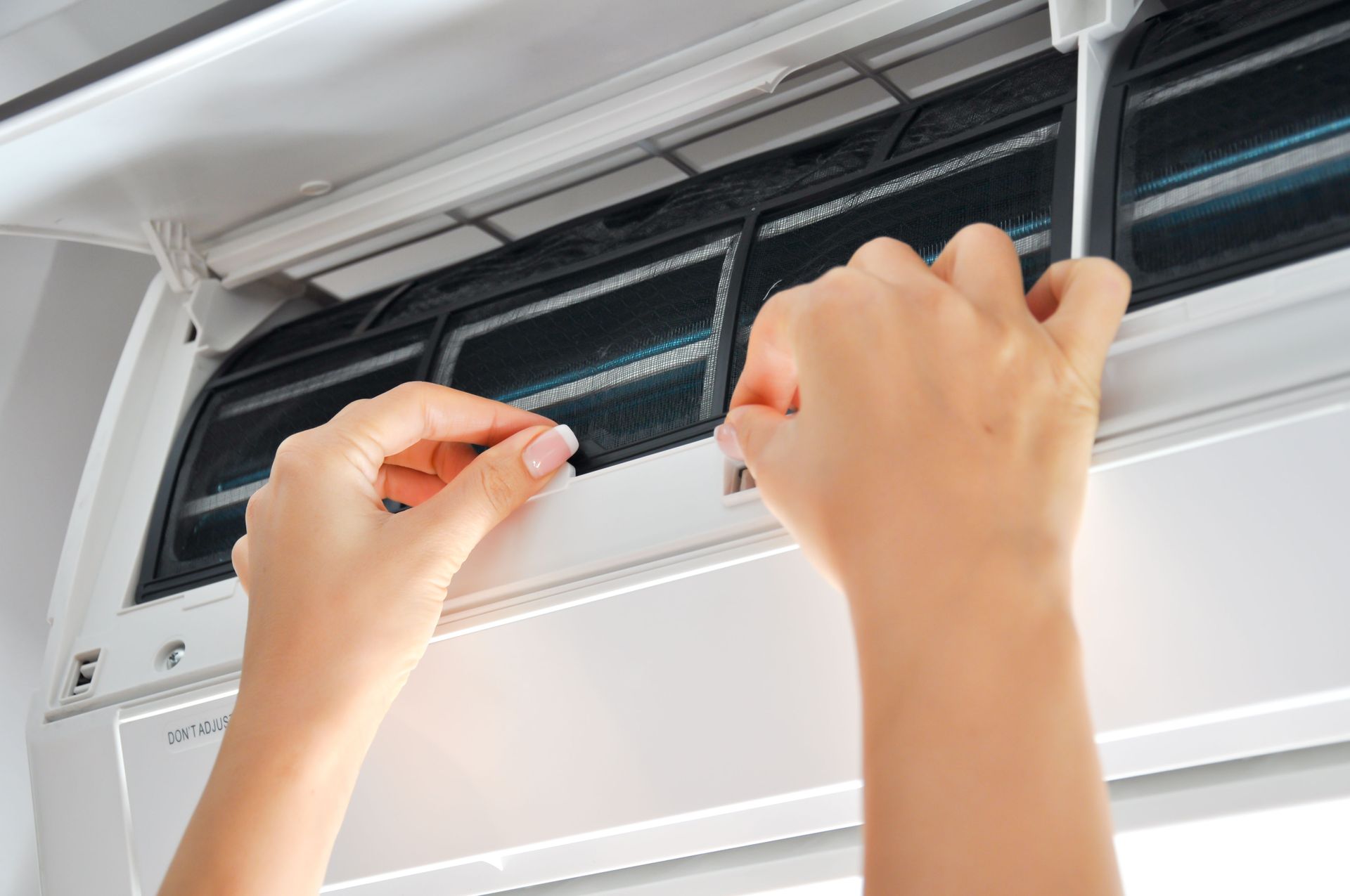
Air filters are among the most important components homeowners can maintain themselves. These filters capture airborne particles as air moves through the HVAC system, helping prevent dust, pollen, and other debris from circulating throughout the home.
However, filters become less effective when they are overloaded with collected particles. A clogged filter can restrict airflow, forcing the HVAC system to work harder to circulate conditioned air. This can affect comfort, contribute to unnecessary equipment strain, and reduce overall system performance.
The appropriate replacement schedule depends on several factors, including filter type, household size, pets, and indoor conditions. Some filters need to be replaced monthly, while others may last longer. Homeowners should check the manufacturer's recommendations and inspect their filters periodically to determine whether replacement is necessary.
Filter ratings also matter. Minimum Efficiency Reporting Value, or MERV, indicates how effectively a filter captures particles of different sizes. A higher rating generally means greater filtration, but not every HVAC system can accommodate every filter. Installing a filter that is too restrictive may interfere with airflow.
Homeowners should consult an HVAC professional before upgrading to a higher-rated filter if they are unsure about system compatibility. Properly selected filters and routine HVAC services can work together to support cleaner air without compromising equipment operation.
Improving Ventilation Throughout the Home
Ventilation helps remove stale indoor air and introduce fresh outdoor air. Without sufficient ventilation, airborne pollutants can accumulate, particularly in homes where windows and doors remain closed for extended periods.
One simple way to improve ventilation is to open windows when outdoor conditions and air quality permit. This allows fresh air to enter while helping indoor pollutants escape. However, homeowners should consider outdoor pollen levels, humidity, and pollution before relying on open windows.
Exhaust fans are also useful in areas where moisture and odors commonly develop. Bathroom fans help remove humidity created by showers, while kitchen ventilation can reduce cooking odors, smoke, and airborne grease particles. These fans should be used appropriately and maintained so they can move air effectively.
Mechanical ventilation systems offer another option for improving indoor air circulation. Depending on the equipment, these systems can exchange indoor and outdoor air while helping manage energy loss. Heat recovery ventilators and energy recovery ventilators are examples of equipment designed to support controlled ventilation.
A professional can determine whether additional ventilation equipment would benefit a particular property. HVAC services may include evaluating existing ventilation systems, identifying airflow limitations, and recommending improvements based on the home's layout and occupants' needs.
Controlling Indoor Humidity Levels
Humidity is another important factor affecting indoor air quality. Excess moisture can encourage mold and mildew growth, while air that is too dry may contribute to discomfort. Maintaining balanced humidity levels helps create a more comfortable indoor environment.
High humidity is particularly common during warmer months or in homes with inadequate bathroom and kitchen ventilation. Signs of excessive moisture may include condensation on windows, musty odors, damp surfaces, and visible mold growth. Plumbing leaks and water intrusion can also contribute to these conditions.
Homeowners can use a hygrometer to monitor indoor humidity. Generally, maintaining relative humidity between 30% and 50% is recommended for many indoor environments. Dehumidifiers can help remove excess moisture in damp spaces, while air conditioning equipment naturally removes some humidity as it cools indoor air.
It is important to address the source of moisture rather than simply treating the symptoms. For example, a leaking pipe or inadequate exhaust fan may continue creating problems even when a dehumidifier is running. Professional HVAC services can help homeowners evaluate equipment-related humidity concerns and determine whether their cooling system is operating properly.
Improving indoor air quality involves several connected practices, including maintaining HVAC equipment, replacing air filters, improving ventilation, controlling humidity, and keeping living spaces clean. Homeowners may also benefit from additional air purification solutions when specific concerns require more targeted attention.
Because indoor air quality depends on both household habits and equipment performance, taking a comprehensive approach is important. Competition A/C & Heat, LLC understands the role heating and cooling systems play in maintaining comfortable indoor environments. With routine maintenance and appropriate HVAC services, homeowners can take meaningful steps toward reducing airborne contaminants, supporting equipment performance, and creating cleaner, more comfortable spaces for their families. For more information about our
HVAC services, contact Competition A/C & Heat, LLC today.